
How the Iran Conflict Could Affect the UK Car Leasing Market
What the Iran conflict could mean for UK car leasing demand, fuel prices, EV interest, interest rates and broker strategy in 2026.
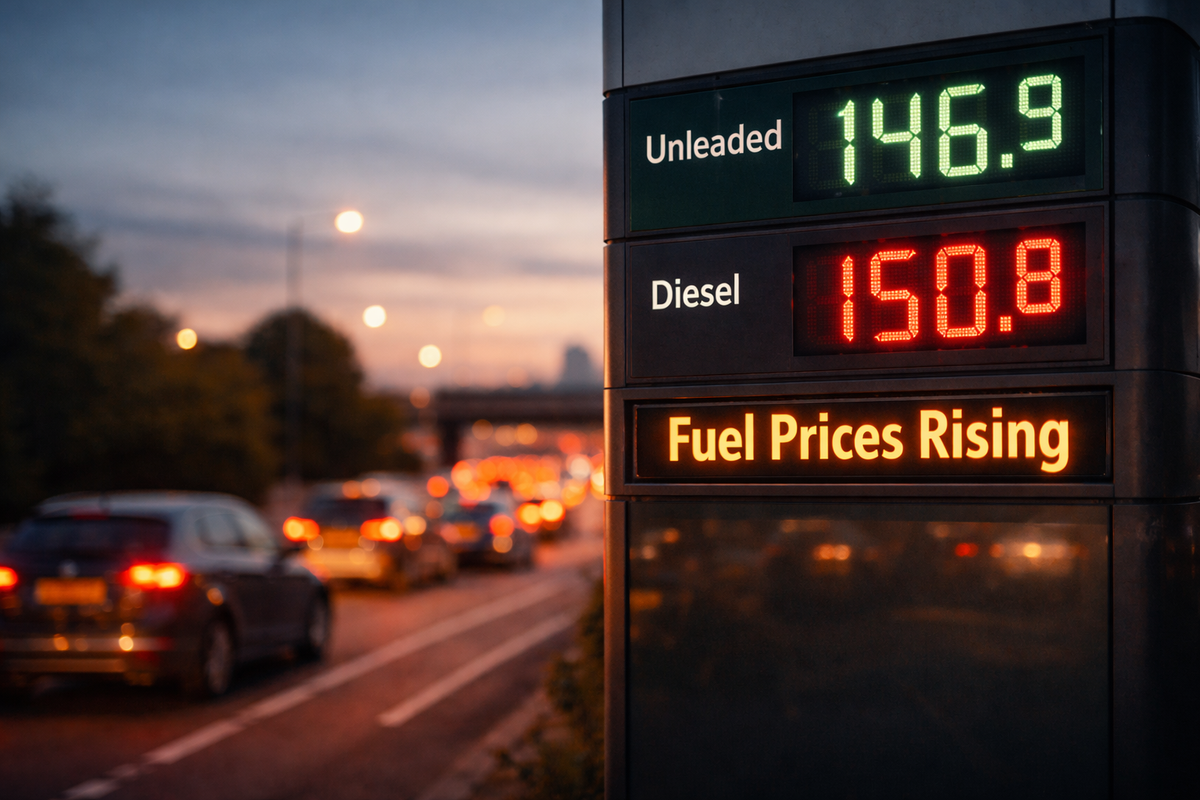
How the Iran conflict could affect UK leasing brokers
Rising oil and gas prices could tighten household budgets, increase pressure on PCH demand, and delay expected improvements in lease affordability. For brokers, the risk is less about immediate collapse and more about slower conversions, more price-sensitive enquiries, and a greater need for strong CRM follow-up.
- Fuel prices are likely to rise, which could increase consumer interest in EVs and hybrids.
- PCH is the most exposed segment, as households become more cautious with monthly commitments.
- BCH and salary sacrifice are more resilient, with decisions driven by employers and fleet teams rather than household sentiment.
- Interest rate cuts may be delayed, keeping lease pricing under pressure for longer.
- Used EV demand could benefit, but higher electricity costs may complicate the running-cost argument.
- Brokers should update content, segment CRM, and stay visible in search while the market adjusts.
Analysis based on data from the BVRLA, RAC Fuel Watch, AA, OBR, ONS, ITV News, LBC, Auto Express and Rystad Energy.
Rising oil prices and geopolitical instability in the Middle East could have significant consequences for the UK car leasing market in 2026. Energy price volatility affects fuel costs, consumer confidence and interest rates, all of which influence leasing demand.
Following US–Israeli strikes on Iranian military and nuclear infrastructure in late February 2026, global energy markets reacted quickly. Oil prices rose, gas prices surged and analysts began modelling scenarios that could affect UK households and businesses.
For leasing brokers, the key question is simple: how might these developments affect enquiry volumes, vehicle demand and leasing affordability over the coming months?
The timing is significant. The BVRLA car leasing fleet had just broken the 1.5 million vehicle barrier for the first time in seven years, suggesting the sector had begun to stabilise after several volatile years.
For brokers looking to strengthen their position during volatile periods, our analysis of why more leads is the wrong KPI for broker growth
explores why conversion infrastructure often matters more than enquiry volume.
The BVRLA’s first Leasing Outlook of 2026 described a cautiously positive start to the year, with brokers leading market activity despite a subdued economic environment and ongoing cost-of-living pressures.
This article examines what has changed since the conflict began, what the latest UK data suggests, and what leasing brokers should be doing commercially if volatility continues.
What Has Happened and Why It Matters for Leasing
The US–Israeli strikes targeted parts of Iran’s nuclear programme, missile capabilities and naval assets. Early commentary from US leadership suggested the operation could last several weeks, though the timeline remains uncertain.
For global energy markets, the immediate concern centres on the Strait of Hormuz, one of the most strategically important oil transit routes in the world.
Approximately 15 million barrels of crude oil pass through the strait each day, representing close to a third of globally traded oil. Any disruption to shipping routes in the region historically results in rapid price movements across oil and gas markets.
Iranian officials have issued warnings to international shipping operating in the region, raising concerns among energy analysts about potential supply disruption.
Jorge Leon, Senior Vice President and Head of Geopolitical Analysis at Rystad Energy, has warned that any sustained disruption to traffic through the Strait of Hormuz could trigger significant oil price increases with direct consequences for European fuel markets.
For UK leasing brokers, this is not an abstract geopolitical issue. Energy price volatility feeds directly into consumer financial confidence, which ultimately determines the strength of enquiry pipelines.
The UK Fuel Price Picture
Energy markets reacted quickly following the escalation.
Brent crude rose roughly 3.2% to around $80 per barrel, while European gas prices surged by approximately 30% amid concerns about supply disruption.
Auto Express editor Paul Barker warned the conflict was “likely to have a negative impact on oil prices in the short term”, adding that rising UK pump prices would be a likely consequence.
The AA and RAC have both echoed that view.
AA President Edmund King suggested petrol prices could return to early-2026 levels of roughly 135.7p per litre, compared with lows of around 131.9p earlier in the year.
RAC head of policy Simon Williams outlined possible scenarios depending on oil price movements:
• around 136p per litre if oil stabilises near $80
• closer to 150p per litre if oil rises toward $100
Andrew Watson, Director at PetrolPrices, confirmed wholesale fuel costs had already increased and warned motorists to expect gradual pump price rises.
One important nuance is timing. UK forecourt prices typically lag wholesale price movements by several weeks, meaning the full consumer impact may not yet be visible.
The UK government has confirmed it is monitoring the situation closely, with Energy Secretary Ed Miliband holding discussions with the International Energy Agency following the escalation.
What Rising Fuel Prices Mean for Car Leasing Demand
Fuel prices influence vehicle demand more directly than many economic indicators.
When petrol and diesel costs rise, consumers typically respond in three ways:
• delaying vehicle decisions
• seeking more fuel-efficient vehicles
• exploring electric or hybrid alternatives
For leasing brokers, this rarely produces an immediate collapse in enquiries. Instead, the more common pattern is longer decision cycles and greater price sensitivity.
Consumer sentiment had already been fragile before the conflict began.
The GfK Consumer Confidence Index stood at –19 in February 2026, down from –16 the previous month.
At the same time, ONS labour market data showed UK unemployment rising to 5.2%, the highest level in five years.
Research from the Resolution Foundation suggests sustained energy price increases could add around £500 to the average UK household energy bill, increasing pressure on disposable income.
Disposable income ultimately funds PCH lease payments, meaning leasing demand is directly exposed to shifts in household financial confidence.
For brokers, the key risk is not a sudden drop in enquiries but deal hesitation and slower conversions.
As explored in Why “More Leads” Is the Wrong KPI for Broker Growth, brokers scaling successfully are not simply chasing enquiry volume but improving yield from existing leads through stronger follow-up infrastructure.
BCH and Salary Sacrifice: A Structural Buffer
Business contract hire and salary sacrifice leasing operate under different demand dynamics.
These decisions are typically made by finance directors, fleet managers and HR departments, rather than households balancing monthly budgets.
The BVRLA has reported extraordinary growth in salary sacrifice leasing for used vehicles, with volumes increasing 7,000% year-on-year, from 57 vehicles to 3,990 in the three months to June 2025.
Used BCH leases also increased 174% over the same period.
This structural momentum means brokers with meaningful BCH or salary sacrifice exposure are typically less vulnerable to short-term consumer sentiment shocks.
Will Rising Oil Prices Increase EV Leasing?
One of the most predictable consequences of rising fuel prices is renewed interest in electric vehicles.
When petrol approaches 140–150p per litre, the running-cost comparison between EVs and petrol vehicles becomes far more visible to consumers.
For leasing brokers, this creates a clear commercial opportunity.
Customers questioning petrol costs often do not abandon their vehicle decision entirely. Instead, they begin researching alternatives.
The BVRLA reports used EV leasing has grown 166% year-on-year, reflecting increasing acceptance of electric vehicles at more affordable price points.
Policy developments may also support this shift. The UK government's EV Charger Grant changes in 2026 could further encourage EV adoption by reducing the cost of home charging installation.
Brokers who surface EV options early, backed by credible running-cost comparisons, are therefore well positioned to convert enquiries that might otherwise stall.
Interest Rates and Leasing Affordability
The conflict also introduces uncertainty into the UK interest rate outlook.
The OBR Spring Statement (3 March 2026) warned that escalating conflict in the Middle East could have “very significant impacts on the global and UK economies”.
OBR budget responsibility committee member David Miles described the inflation outlook as “particularly uncertain”.
Financial markets had previously expected interest rate cuts during 2026. Rising energy prices could delay those reductions.
The Bank of England held the base rate at 3.75% in February, and expectations of near-term reductions have weakened.
For leasing brokers, this matters because funding costs directly affect monthly lease pricing and affordability.
If interest rates remain elevated for longer, the anticipated easing in monthly lease costs may take longer to materialise.
EV Residual Values: A Complicated Picture
Residual values for electric vehicles were already one of the most debated structural issues in the leasing market.
The BVRLA has repeatedly warned that the used EV market requires stronger policy support and better consumer education.
The Iran conflict adds another layer of complexity.
Higher petrol prices strengthen the EV running-cost narrative, potentially supporting used EV demand.
However, rising gas prices also increase electricity costs in the UK energy system, which may push up public charging prices.
If charging costs rise significantly, the EV cost advantage becomes less clear.
BVRLA research shows 64% of UK motorists believe there is insufficient information about buying used EVs, with battery health and warranty coverage remaining key concerns.
These dynamics are also reshaping fleet strategy. Our analysis of the quiet land grab in UK EV fleet leasing explores how major leasing providers are positioning themselves ahead of the next phase of electric fleet growth.

What Brokers Should Be Doing Right Now
Periods of economic uncertainty tend to reward brokers with strong infrastructure rather than those relying purely on inbound demand.
Several actions stand out...
How brokers can stabilise pipelines during market volatility
Update running-cost content
Fuel comparisons published even six months ago may now be inaccurate. Updating EV versus petrol cost calculations using current pump prices strengthens both conversion performance and organic search credibility.
Segment your CRM
Customers who have historically leased petrol or diesel vehicles are the most likely to reconsider running costs right now. Targeted communication will outperform generic deal campaigns.
Respond faster to enquiries
Speed of response becomes even more important when customers are hesitant. Brokers responding within minutes rather than hours dramatically increase their chances of conversion. We explored this in detail in Speed to Lead and Broker Conversion Rates.
Strengthen SME and fleet relationships
If your brokerage relies heavily on retail PCH demand, expanding SME and salary sacrifice relationships can stabilise revenue during periods of consumer uncertainty.
Maintain search visibility
During uncertain periods, research activity increases before purchasing activity. Brokers publishing authoritative analysis during this phase build pipeline for when decisions resume.
Visibility in search is not simply about publishing more content. Structure matters. As explained in Content Architecture and Organic Visibility, structured topic clusters consistently outperform isolated blog posts.
Why volatility in leasing markets is nothing new
This type of market volatility is not unfamiliar to those who have worked in the leasing sector over the past decade. I was part of a leasing business that launched in the middle of the COVID-19 pandemic, a period that dramatically disrupted vehicle supply, pushed residual values into uncharted territory, and created a market environment characterised by uncertainty and rapidly shifting pricing.
During that period, the cost of leasing rose sharply as vehicle shortages drove up prices across the industry. Brokers who focused purely on transactional pricing often struggled, while those who communicated value, transparency and guidance were able to maintain stronger customer relationships despite the volatility.
The Russia-Ukraine conflict compounded this further, triggering energy price spikes and additional supply disruption. At one point during that period, a Tesla Model Y — now widely available for significantly less — regularly leased for over £700 per month. Today, comparable deals can be found for around £380 per month, representing a difference of roughly 83%.
The lesson from that period remains relevant today. Leasing is undeniably a price-focused market, but the brokerages that build lasting businesses understand that loyalty is driven by more than just the monthly figure. Customers stay with brokers who provide clarity, reassurance and value during uncertain periods, not simply the lowest headline deal.
The leasing market has experienced repeated external shocks over the past decade. Each has reshaped pricing, consumer demand and broker strategy.
A decade of volatility in the leasing market
COVID-19 disruption
Vehicle supply shocks and manufacturing slowdown
Ukraine war energy spike
Fuel prices surge and energy inflation across Europe
EV residual value correction
Used EV market repricing and lease pricing adjustments
Iran conflict uncertainty
Oil market volatility and potential fuel price increases
What Today’s Disruption Means for Brokers
For brokers dependent purely on inbound enquiry volume, periods of economic uncertainty can feel uncomfortable.
For brokers with structured CRM infrastructure, strong positioning and consistent content visibility, the outlook is very different.
As discussed in Why “More Leads” Is the Wrong KPI for Broker Growth, brokers who focus solely on lead volume often struggle during volatile market periods. Those who optimise conversion and maintain customer relationships tend to outperform.
The Iran conflict introduces a new variable into an already complex leasing market. Whether it becomes a short-term shock or a longer structural disruption will depend on developments in the Gulf over the coming weeks.
What already appears clear is that the period of gently falling energy costs seen at the start of 2026 has likely ended.
Brokers who interpret that signal early and respond with commercially grounded information are the ones most likely to see their pipelines hold while competitors struggle with hesitation in the market.
Sources
BVRLA Leasing Outlook 2026; RAC Fuel Watch; AA Fuel Price Commentary; Auto Express; LBC; ITV News; OBR Spring Statement March 2026; ONS Labour Market Data; Resolution Foundation; Rystad Energy; PetrolPrices; Euronews.